
Section 09 · Companies
09Web Presence & SEO
A company's website is often the truest picture of how it presents itself — what it sells, who it targets, and how much care it puts into being found. Three tabs on the company profile cover this: Web Pages (the pages we've read), SERP (how it shows up in search), and SEO Audit (how technically sound the site is). This section walks all three.
Web Pages
The Web Pages tab summarizes the pages Instinct has crawled from the company's site — the homepage, services pages, about page, and more. It's a quick way to see how substantial the site is and what it covers, and a jumping-off point into any individual page. Each page is a full record in its own right — its content, its version history, its links, and a screenshot — all covered in Section 15.
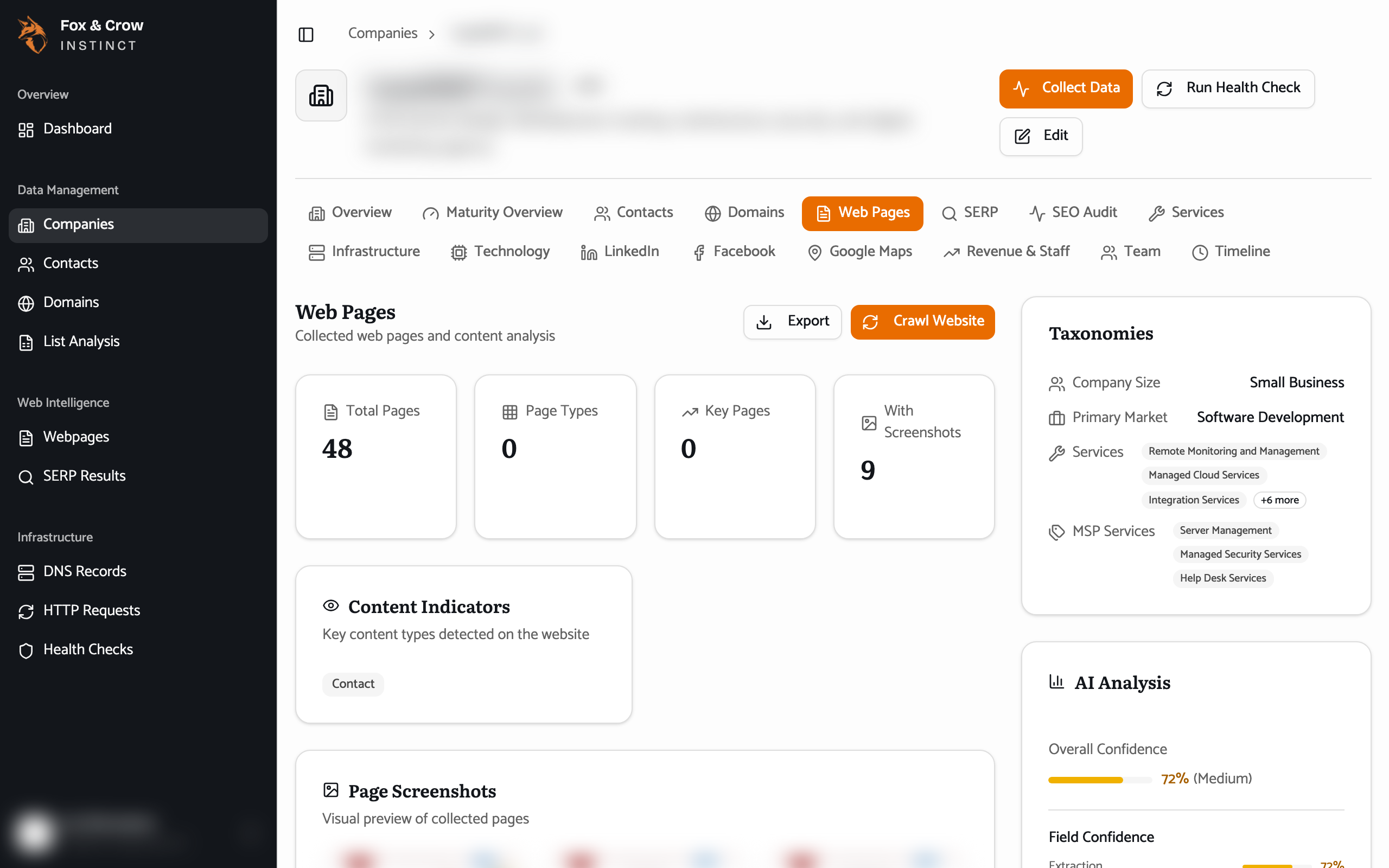
Figure 9.1The Web Pages tab. The pages Instinct has read from the company's site, ready to open individually.
SERP
The SERP tab shows how the company turns up in search-engine results — its search footprint. (SERP stands for search-engine results page.) It's the company-scoped view of the same search data you can browse across all companies from the SERP Results list in the navigation rail; Section 16 covers that list and how to read an individual result in full.
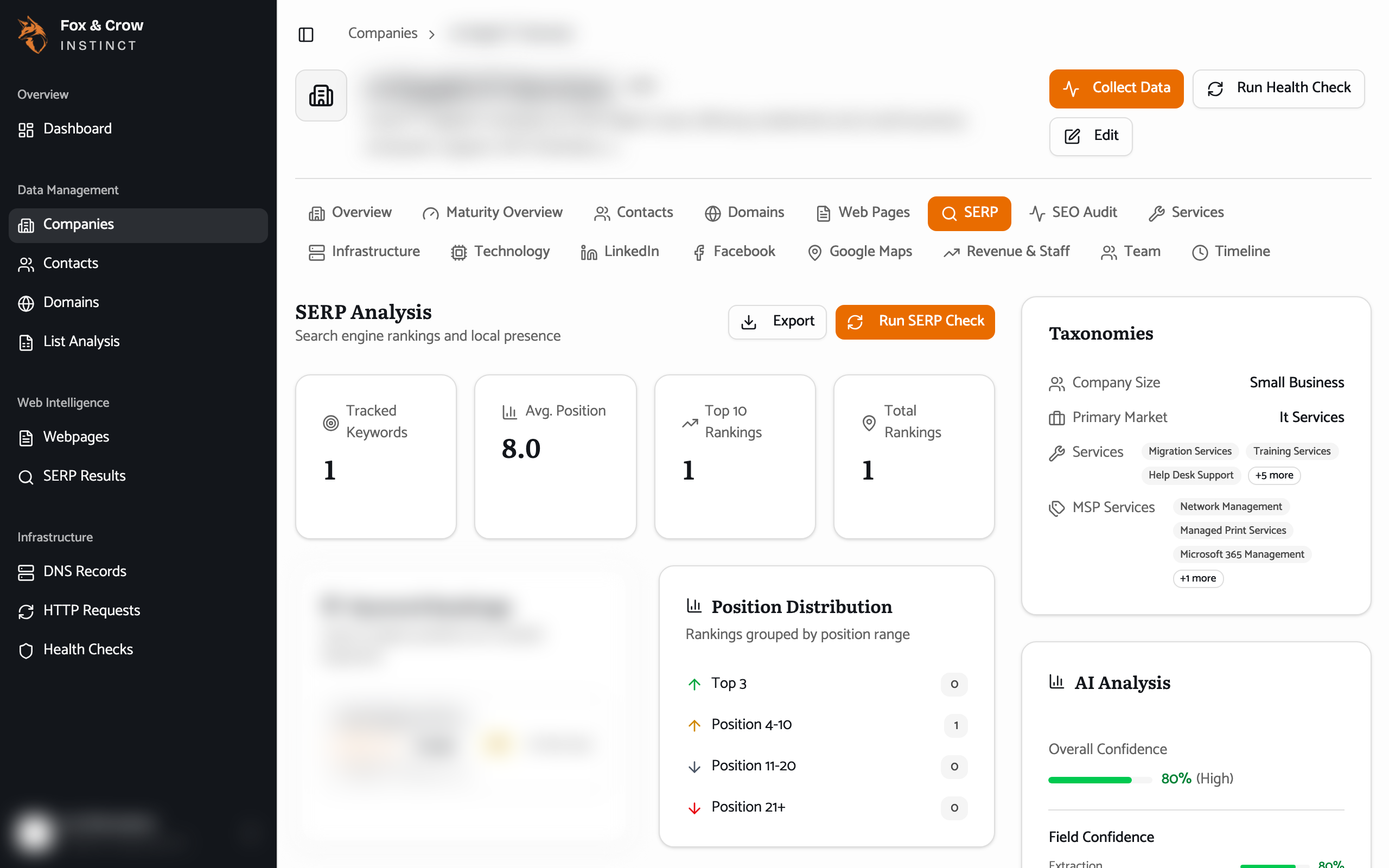
Figure 9.2The SERP tab. The company's visibility in search results, at a glance.
SEO Audit
The SEO Audit tab is a technical health check of the company's website — the kind of review an SEO specialist would run. It's genuinely useful intelligence: a site that's neglected technically often signals a company that isn't investing in growth, and the specific issues make great talking points. The audit includes:
- A short AI summary of the site's SEO health.
- robots.txt, sitemap, and redirect hygiene — whether the basics that help search engines find and index the site are set up correctly.
- Aggregated issues across crawled pages — a table of problems found, each with its Problem, its Impact, and the Technical fix.
- JSON-LD validation — whether the site's structured data (the machine-readable schema search engines use for rich results) is valid.
- The target keywords the site appears built around.
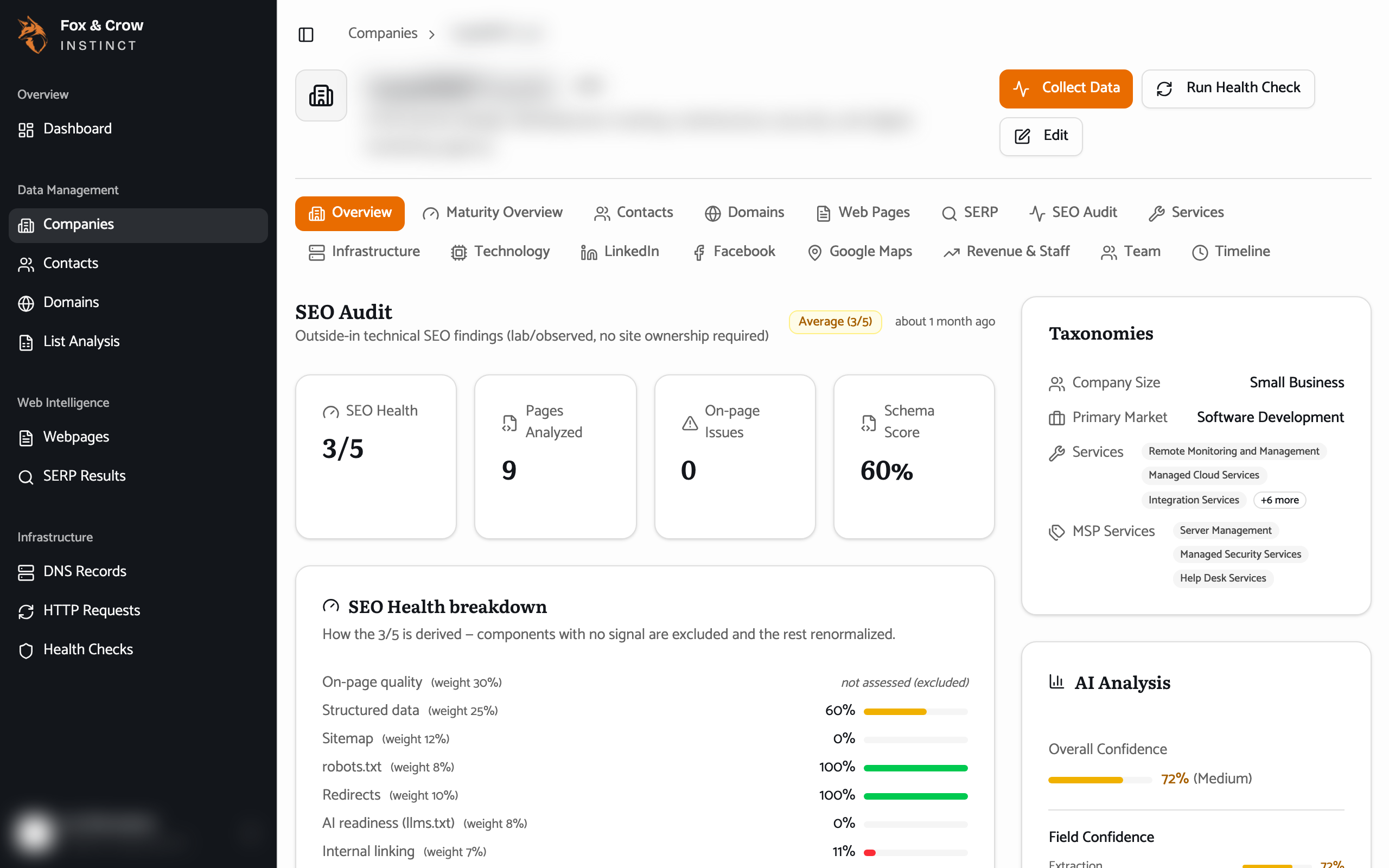
Figure 9.3The SEO Audit. Hygiene checks, an issues table (problem, impact, and fix), and structured-data validation.
Turn an audit finding into an opener
The SEO Audit is a gift for a first conversation. "I noticed your sitemap isn't reachable, which is why a few of your services pages aren't showing up in search" is specific, true, and helpful — and it shows you did your homework.
If the audit hasn't been run for a company yet, the tab will say so; it fills in when the site is next analyzed.
The bottom line
The website, read three ways.
Web Pages shows what's there, SERP shows how it's found, and the SEO Audit shows how well it's built — together, a fast, credible read on how seriously a company takes its online presence.