
Section 16 · Domains, Web Pages & Search
16SERP Results
SERP stands for search-engine results page — what you get back when you search for something. Instinct captures these results and keeps each search as a record, so you can see how a company (or a topic) shows up across search engines. Browse them from the SERP Results list, or from the SERP tab on a company (Section 09).
The SERP Queries list
The SERP Results list holds every captured search, titled SERP Queries. Its search box (Search query text…) finds a search by what was typed, and several filters narrow it:
- Search Engine — which engine the results came from (Google, Bing, DuckDuckGo, and others).
- Location — the location the search was run from (results differ by place).
- Has Company — whether the search is tied to a company record.
- From / To dates — narrow to a time range.
The columns show the Query Text, the Search Engine (as a branded badge), the Location, the Results (the total, plus how many were organic and how many local), the Company, and the Date.
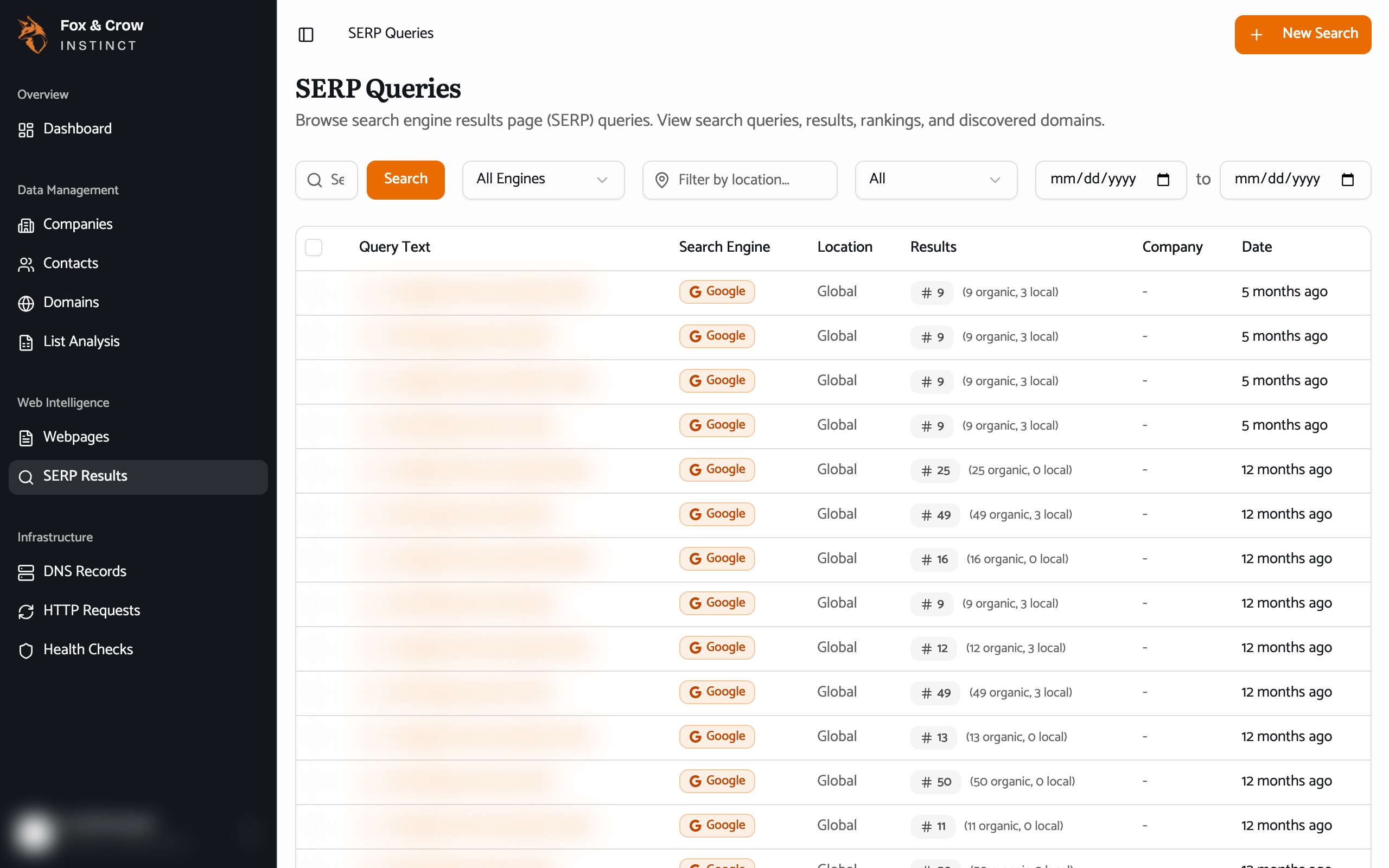
Figure 16.1The SERP Queries list. Every captured search, filterable by engine, location, and date.
A search result's detail
Open a query to see the full results Instinct captured for it, in the sections a search engine returns:
- Parameters — exactly how the search was run: the Query, the Engine, the Device, and the Location. This matters, because all four shape what comes back.
- Featured Snippet — the answer box a search engine sometimes puts above everything else, if there was one.
- Organic Results — the normal (unpaid) results, in order.
- Local Results — the business listings from the map pack, when the search had them.
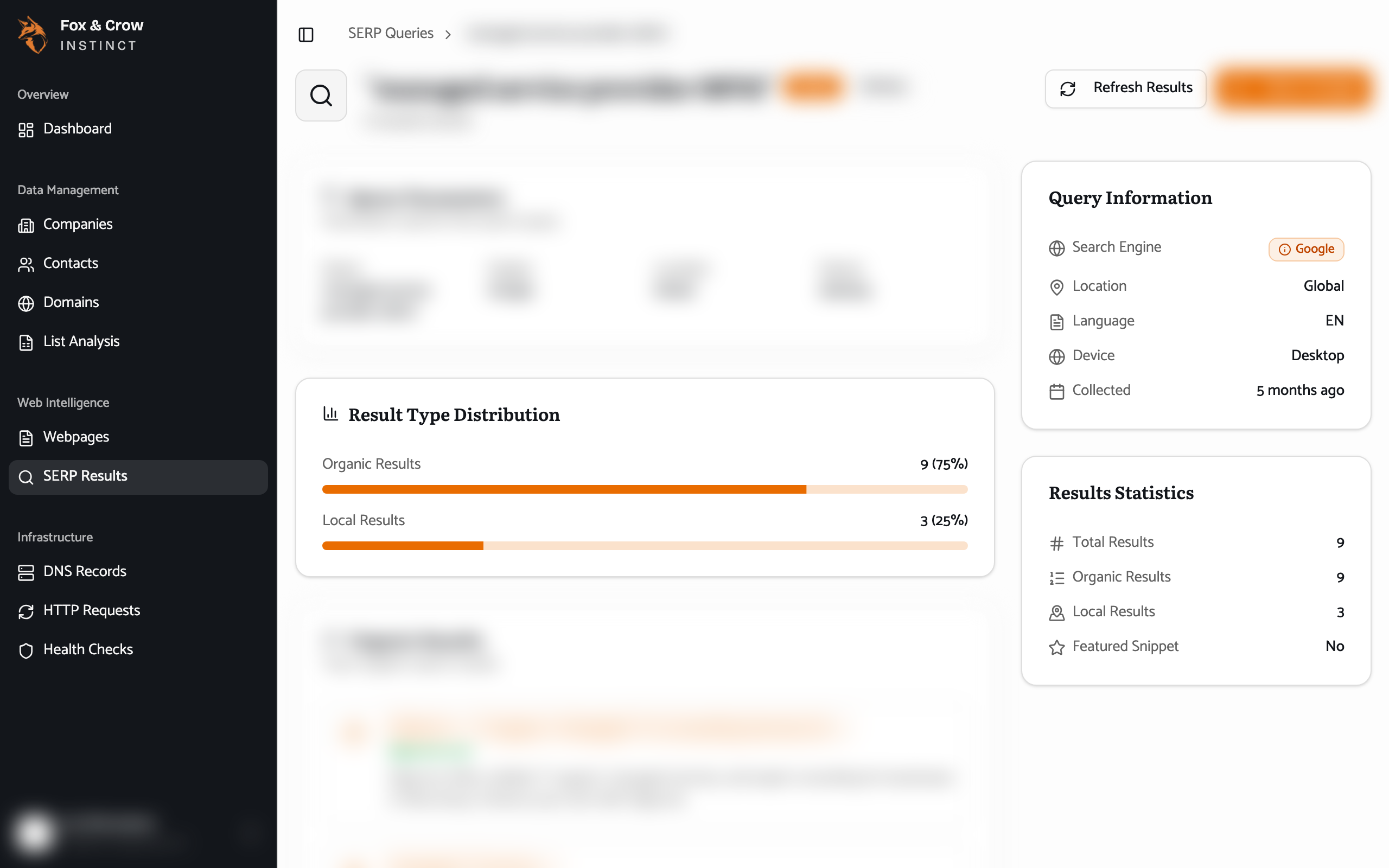
Figure 16.2A captured search. The parameters used, then the featured snippet, organic results, and local map-pack listings.
Where a company ranks is a conversation
Seeing where a company lands in its own key searches — top of the organic results, buried on page two, or absent from the local pack — is both a health signal and a talking point. Pair it with the SEO Audit (Section 09) to explain why they rank where they do.
The bottom line
How the market finds them.
Captured searches show where a company surfaces — organically and locally — across engines and places, giving you a real read on their search visibility.